New seawater desalination plant in Libya supplies drinking water for 100,000 people
The Challenge
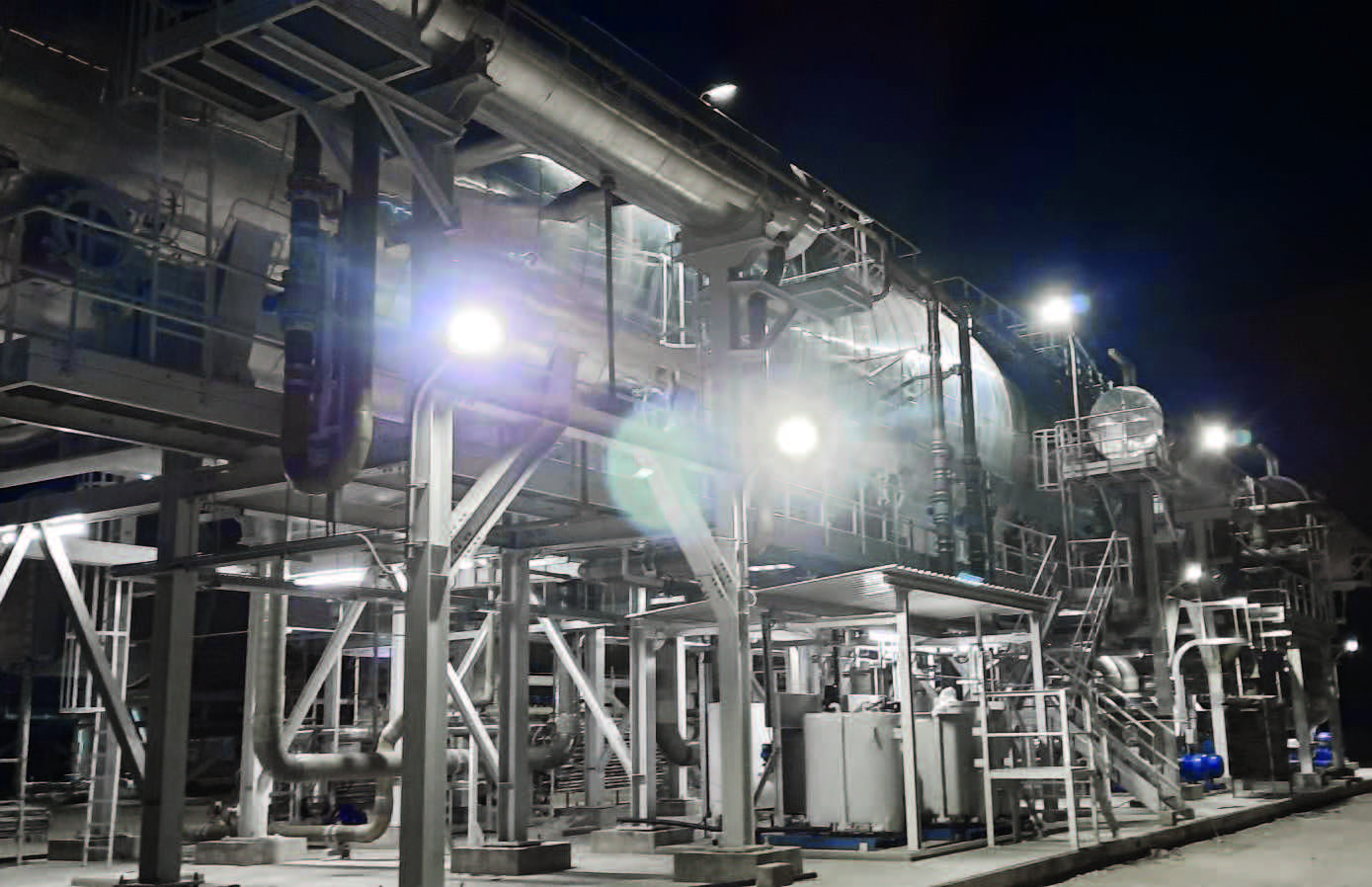
The seawater desalination plant in Tobruk operates using the thermal MED-TVC process and is designed to produce more than 13,000 m³ of drinking water per day. Under the climatic conditions of North Africa, the process places high demands on operational reliability and process stability.
Even minor chemical imbalances in thermal desalination processes can lead to foaming, deposits and scaling. The consequences range from efficiency losses and increased energy consumption to unplanned shutdowns. VA TECH WABAG therefore focused on ensuring long-term stable and low-maintenance plant operation.
The sera Solution
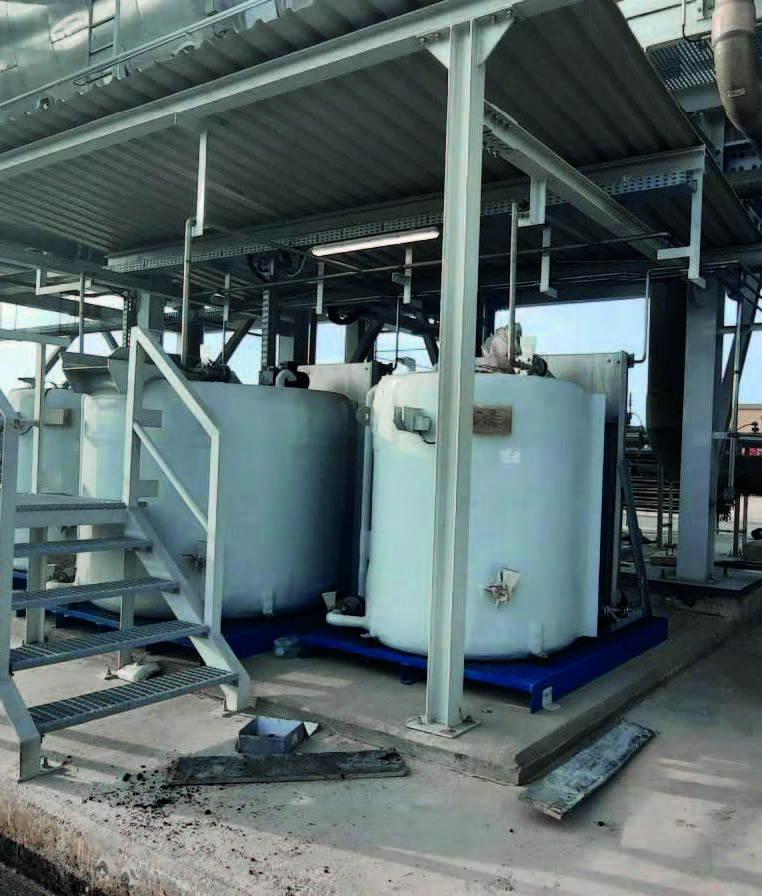
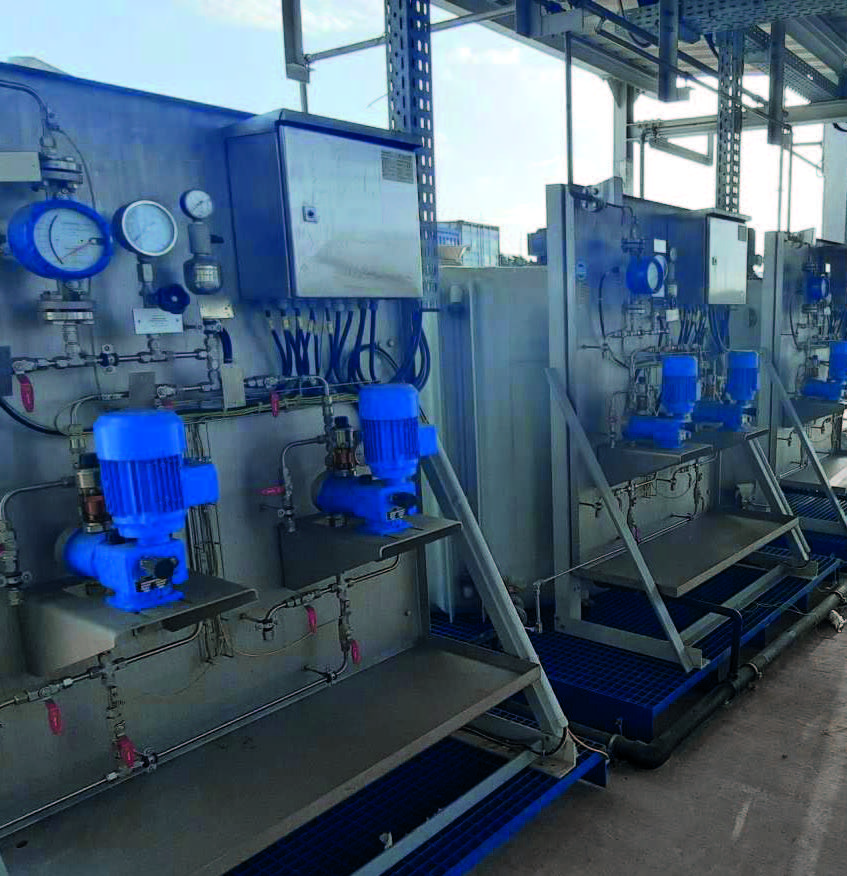
Three sera dosing systems were integrated for targeted process conditioning. The project was implemented by sera Technology Austria in close cooperation with the sera headquarters.
The systems dose antiscalants to prevent deposits in heat exchangers and piping systems, sodium bisulfite to stabilise chemical conditions, and antifoam agents to control foaming within the process.
Precise and continuous dosing of process chemicals is essential for stable plant operation. Even small deviations can impair heat transfer and significantly increase maintenance requirements. The sera systems, specifically designed for this application, ensure reproducible chemical dosing and support permanently stable process control.
Customer Benefits
- Stable continuous operation of the MED-TVC desalination plant
- Reduction of fouling, scaling and foaming
- Protection of heat exchangers and piping systems
- Higher plant availability and reduced maintenance effort
- Consistent drinking water quality for around 100,000 people
Summary
The Tobruk project demonstrates that thermal seawater desalination requires precise and reliable process dosing. It plays a key role in ensuring long-term stable plant operation and a reliable drinking water supply, even under demanding conditions.