sera supports stable and sustainable energy production in biogas plants
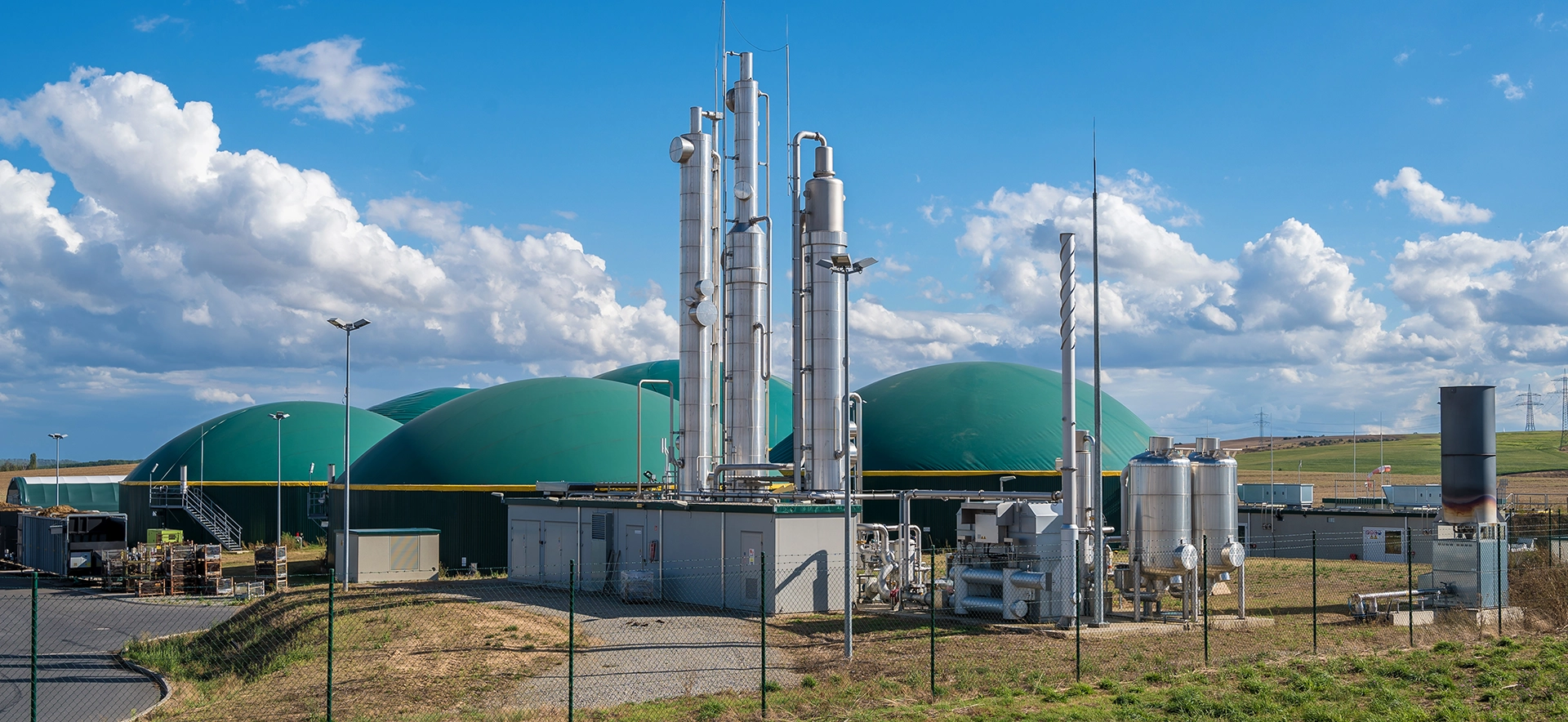
Biogas plants are an important component of renewable energy supply: they reliably supply electricity and heat - provided the gas quality is right and the processes are stable. It is precisely here that precise dosing technology determines whether plants can be operated efficiently, economically and in an environmentally friendly manner.
A key step is the desulphurisation of the biogas. Hydrogen sulphide is produced during the fermentation process and, even in small quantities, leads to corrosion, increased engine wear and disruption of biological processes. Only a targeted and constant reduction of the H₂S content can protect combined heat and power plants and maintain the efficiency of the entire system.
The precise dosing of alkalis and acids neutralises pollutants, reduces emissions and ensures that environmental regulations are reliably met.
Even after the actual fermentation process, dosing technology remains crucial. Controlled acidification of the fermentation residues stabilises pH values, reduces emissions and improves storability - an important contribution to a sustainable circular economy.
For decades, sera has stood for robust, tried-and-tested technology that is used in biogas plants worldwide. Our dosing and conveying systems feed chemicals into the processes safely, precisely and fully automatically - for stable processes, economical operation and maximum environmental friendliness.
With many years of expertise and flexible systems, sera delivers exactly what plant operators need: processes that run reliably - and renewable energy that is sustainable.