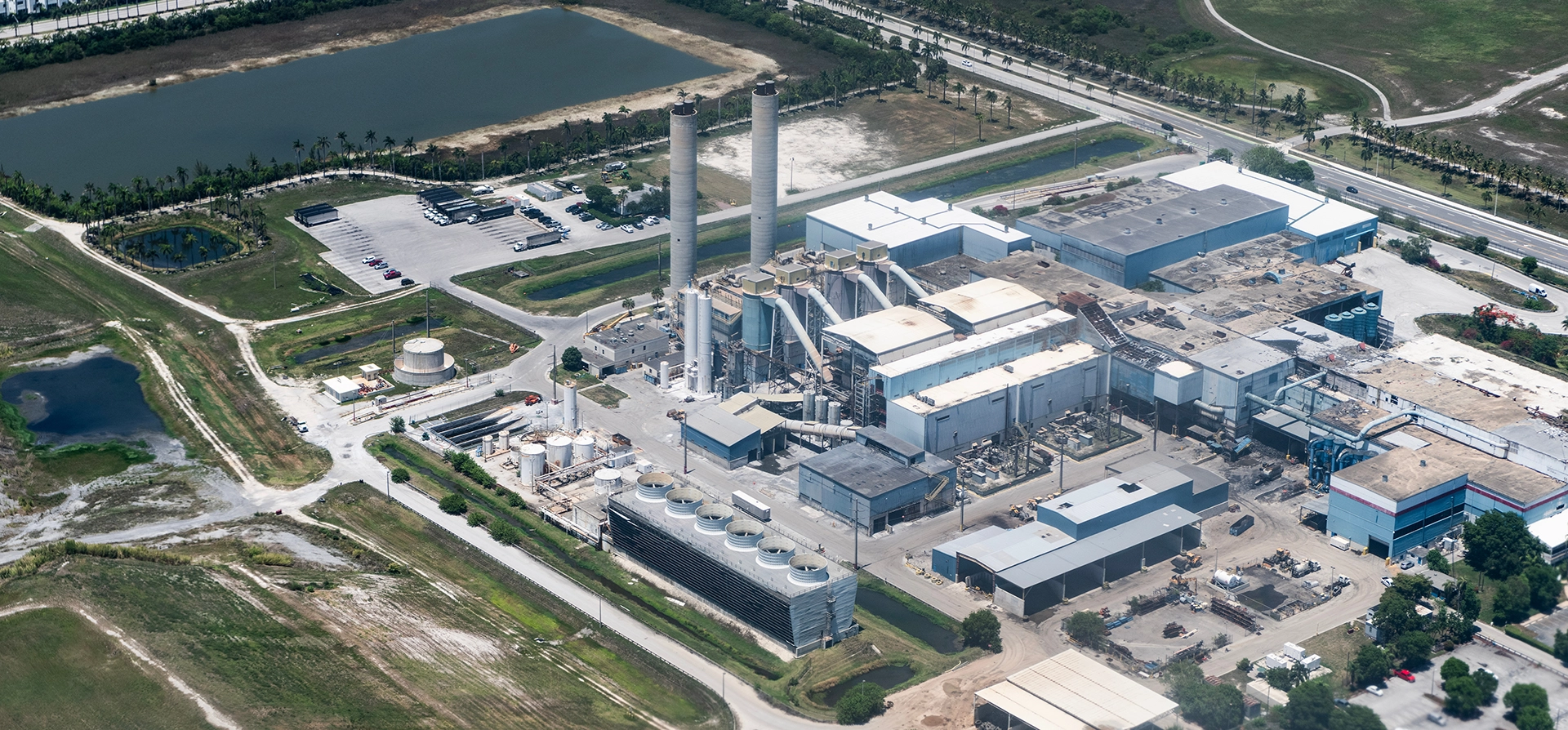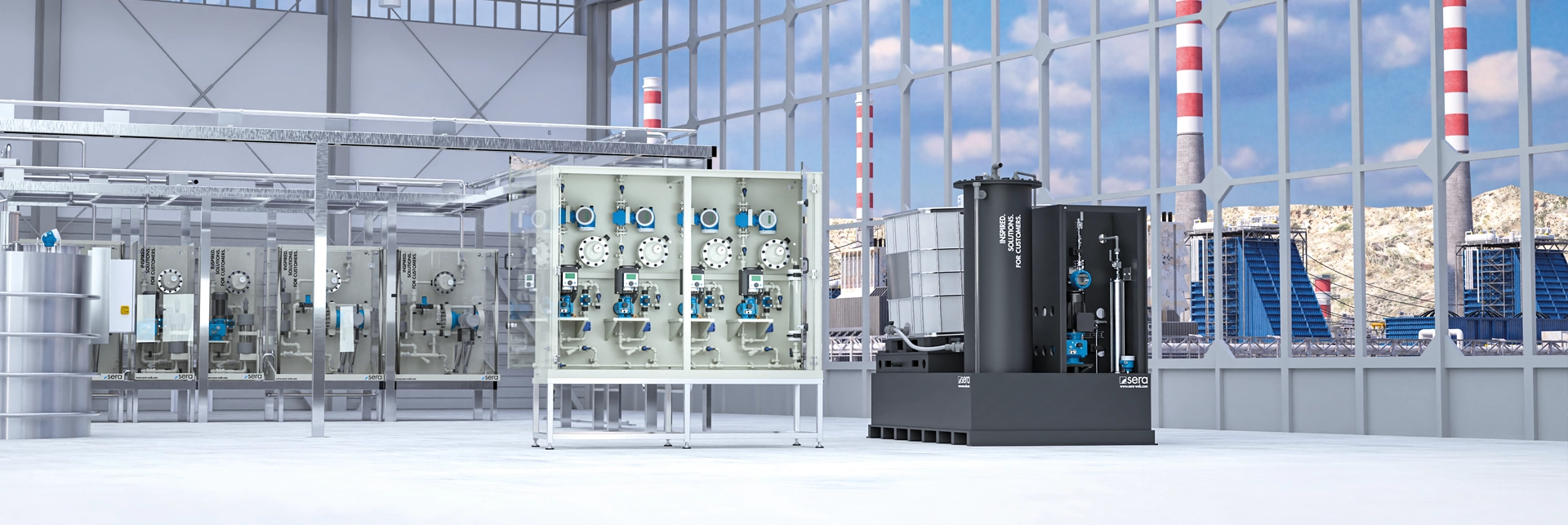

Holistic process reliability from water treatment to waste gas cleaning
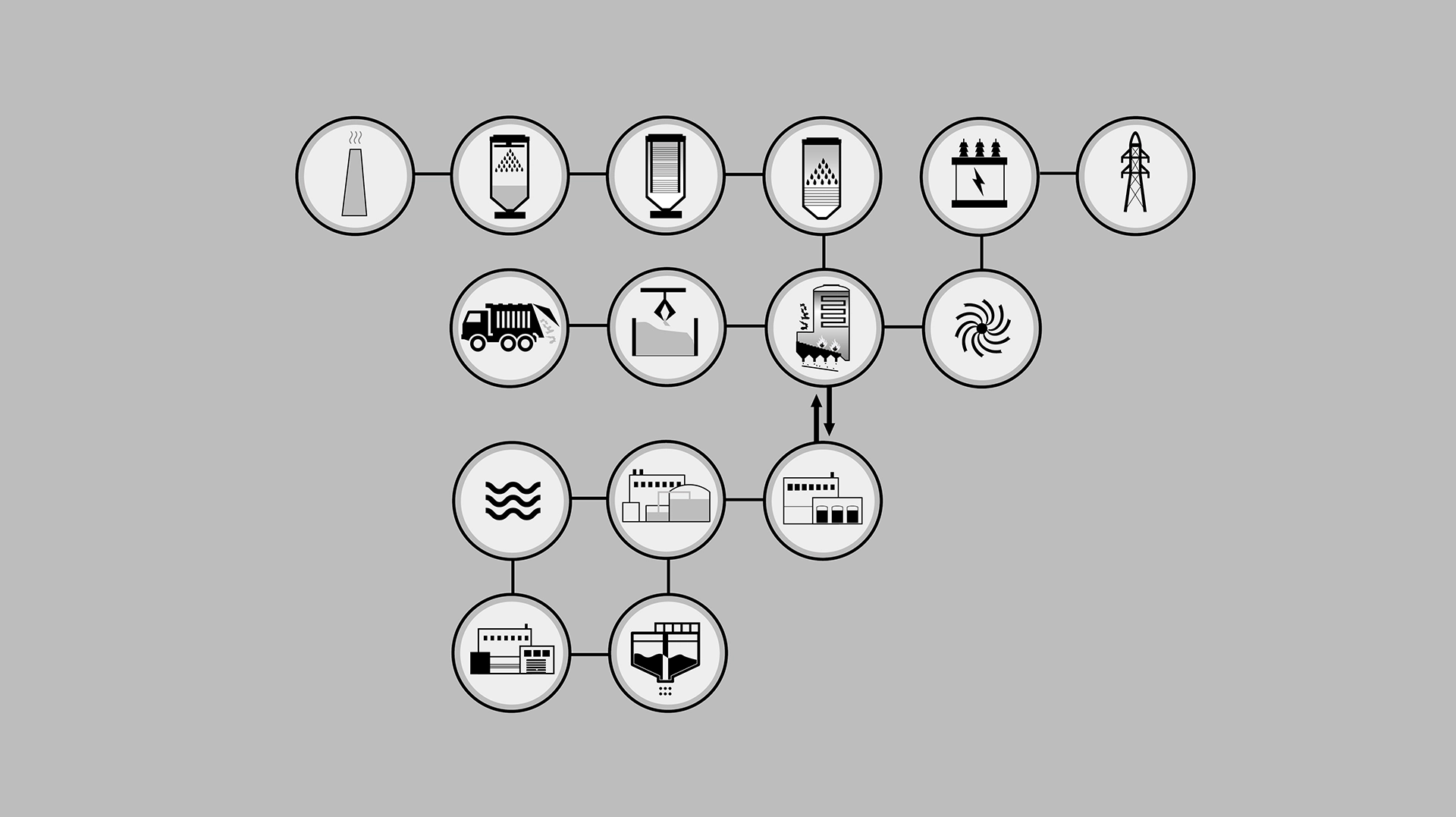
In waste-to-energy plants, the precise and reliable dosing of chemicals is a decisive factor for safe, efficient and licence-compliant operation. Whether in boiler and feed water treatment, cooling water treatment or flue gas cleaning - sera systems ensure the controlled addition of operating materials such as corrosion inhibitors, neutralising agents, activated carbon or additives for NOₓ reduction. Automated dosing systems and intelligent control systems ensure stable processes, high system availability and economical operation. sera pumps, dosing systems and system solutions have been used in energy and waste management worldwide for decades and make an important contribution to complying with environmental regulations and optimising operating costs.
-
Boiler water treatment

-
Steam treatment

-
Exhaust gas treatment

-
Wastewater treatment

-
Process water treatment

-
Energy supply system

-
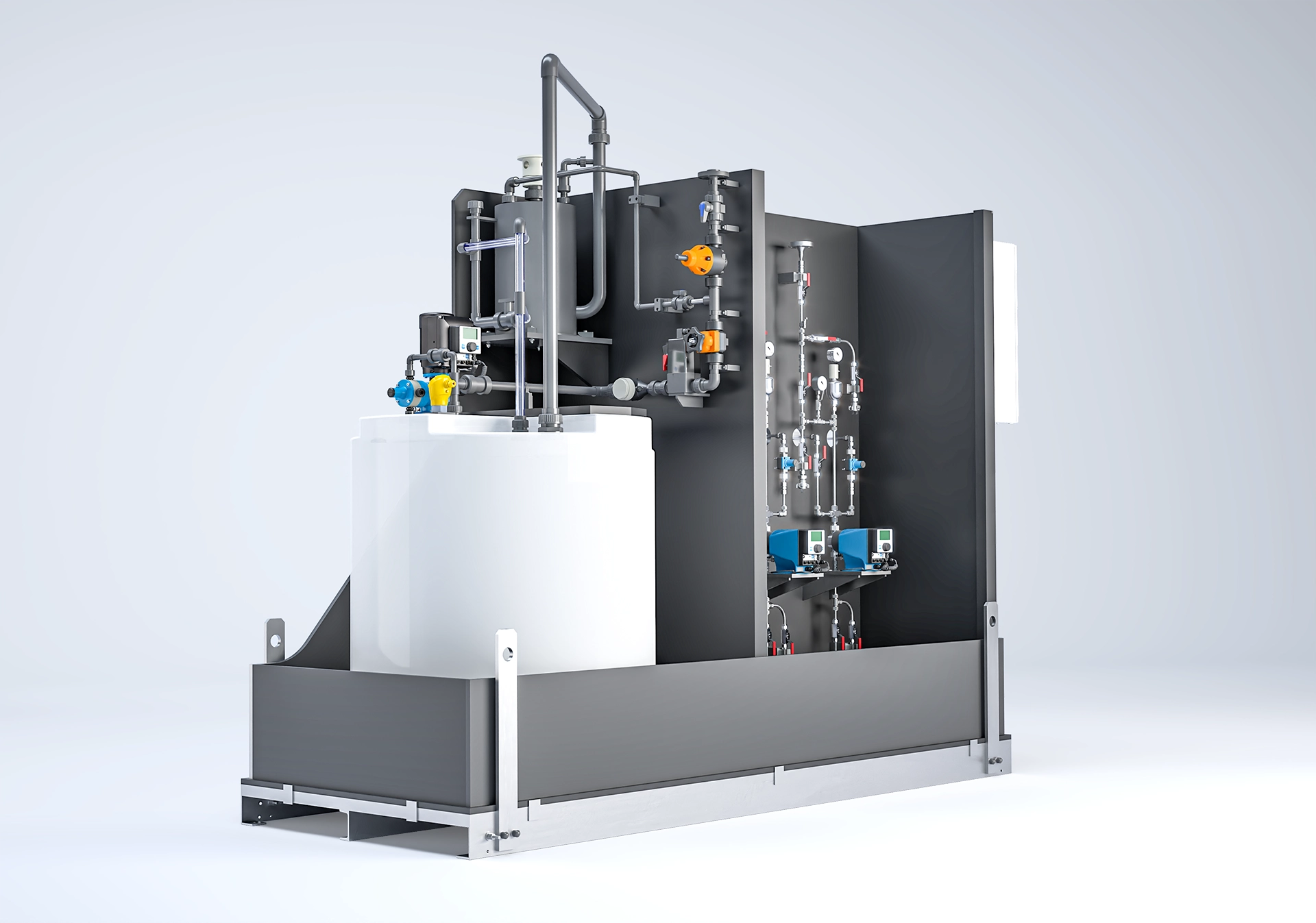
Treatment of boiler feedwater
Untreated boiler feedwater is one of the most common causes of malfunctions and efficiency losses in power stations and waste-to-energy plants. Corrosion caused by dissolved oxygen, deposits and scale, as well as incorrect pH levels, attack boilers, pipework and valves, and impair heat transfer and the operational safety of the plant. The consequences are increased maintenance costs, unplanned downtime and higher operating costs. Targeted chemical treatment of the boiler feedwater is therefore a key prerequisite for safe and economical boiler operation. sera’s dosing systems enable the precise, automated and demand-driven addition of oxygen scavengers, corrosion inhibitors, phosphates, and acidic and alkaline chemicals. This ensures stable water chemistry, reliably protects plant components and guarantees the long-term, efficient and low-maintenance operation of the boiler plant.
-
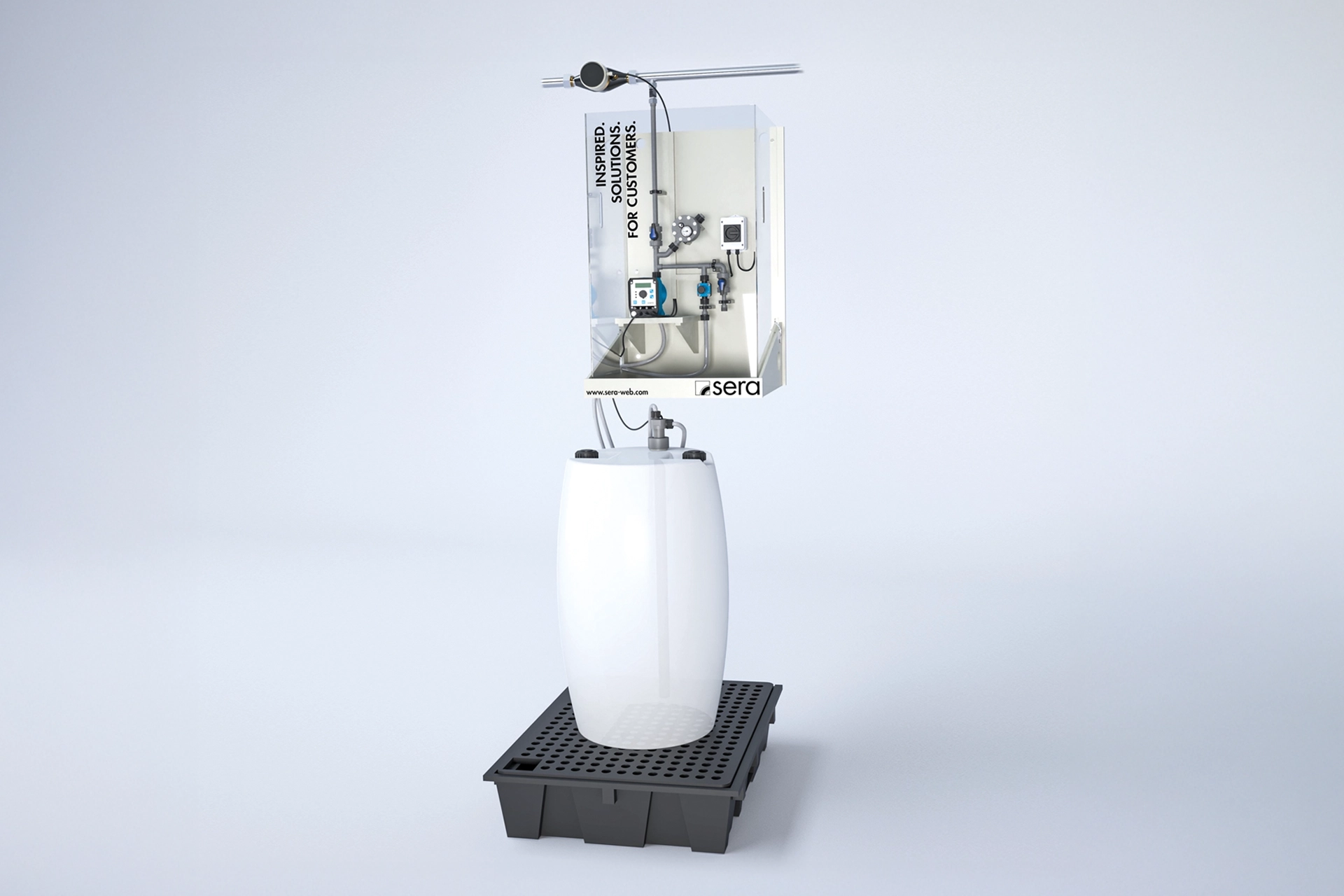
Biocide dosing of boiler feedwater
Microbiological growth in boiler feedwater is an often underestimated but highly critical risk for boiler operation in power stations and waste-to-energy plants. Bacteria and biofilms promote corrosion, encourage the formation of deposits and can significantly impair heat transfer and operational safety – with direct consequences for the plant’s efficiency, availability and service life. Inadequate or uneven biocide dosing further exacerbates this risk. sera’s dosing systems ensure the precise, automated and continuous addition of biocides to boiler feedwater – thereby guaranteeing consistently stable water quality, protected boiler components and safe, economical operation.
-
Treatment of steam
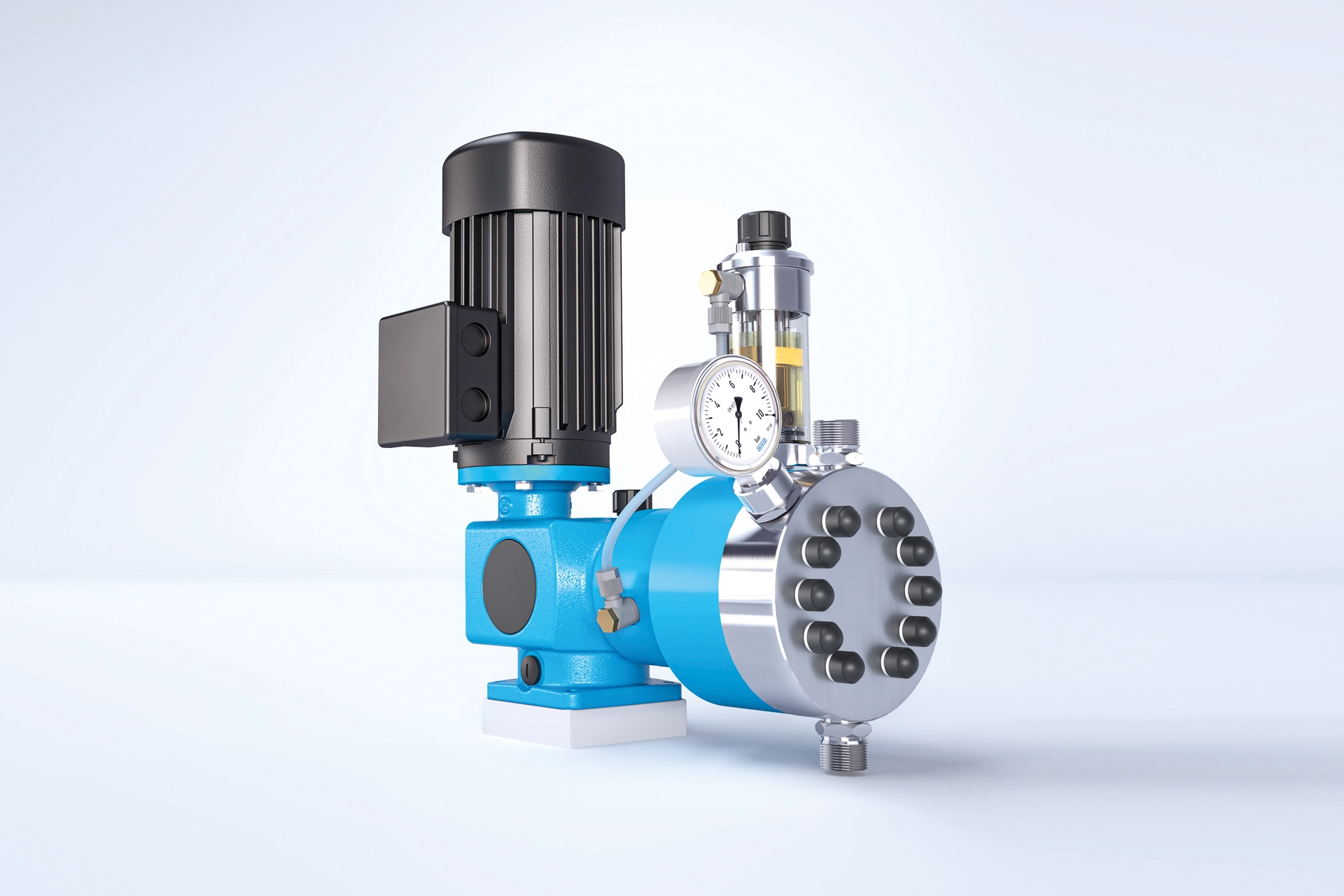
Water vapour is the key working medium in power stations and waste-to-energy plants – and at the same time one of the most sensitive areas of the entire plant. Without targeted chemical treatment, corrosion, deposits and unstable water-vapour chemistry inevitably lead to efficiency losses, increased maintenance costs and, in the worst case, unplanned shutdowns. High pressures and temperatures further exacerbate these effects. sera’s dosing systems ensure the precise, automated and demand-driven addition of corrosion inhibitors and oxygen scavengers – thereby ensuring permanently stable water-steam chemistry, protected boiler and turbine systems, and safe, efficient and economical plant operation.
-
Exhaust after-treatment
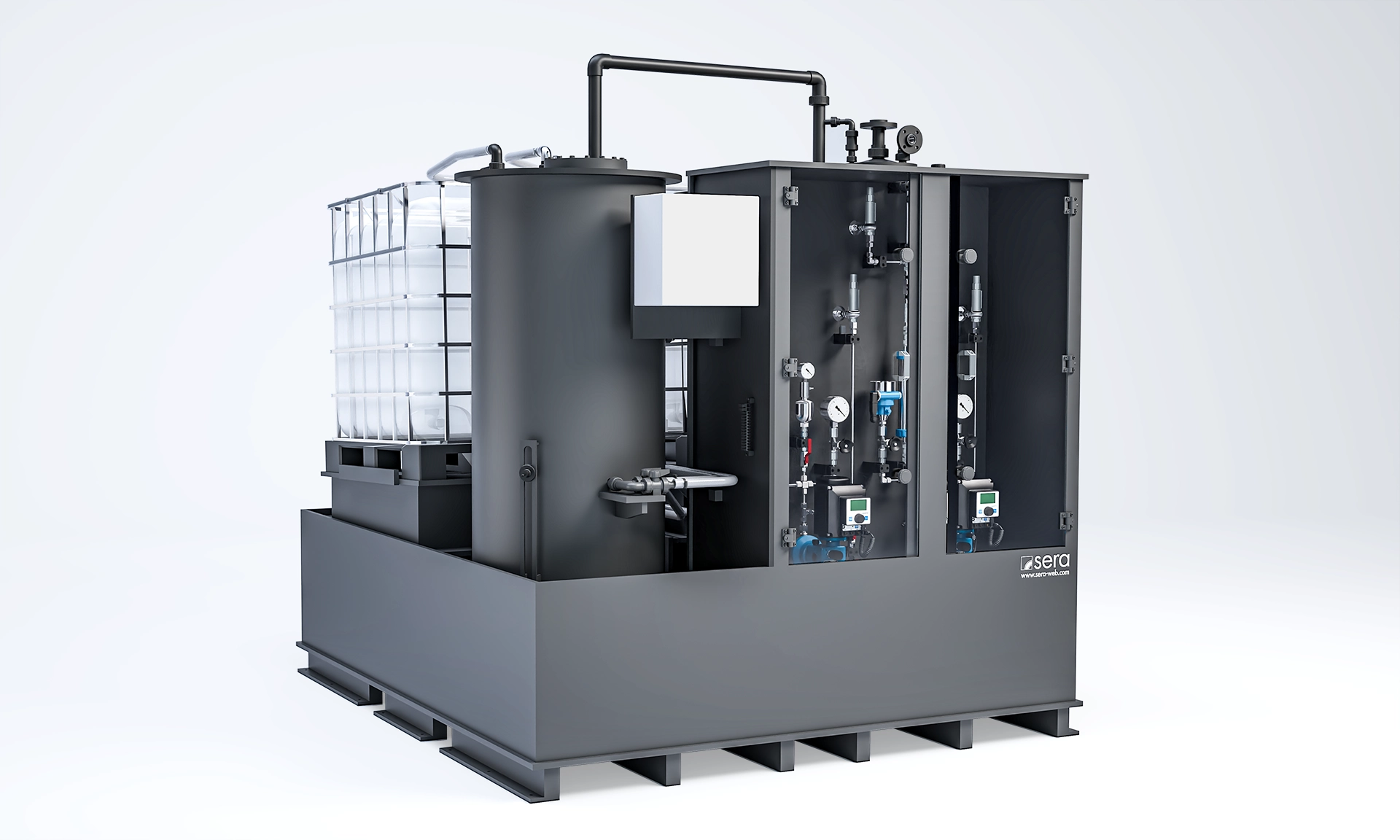
Compliance with statutory emission limits is one of the key requirements for the operation of power stations, waste incineration plants and chemical production facilities. Flue gases contain pollutants such as sulphur dioxide (SO₂) and nitrogen oxides (NO_x), which, without effective purification, cause environmental pollution and can jeopardise operating licences. Fluctuating flue gas compositions, insufficient dosing accuracy and the cumbersome handling of reagents make stable process control difficult and increase operating and maintenance costs. Precisely controlled flue gas cleaning is therefore a prerequisite for safe and economical plant operation. In DeNOX systems, nitrogen oxides are specifically reduced to nitrogen and water, whilst in flue gas desulphurisation plants, sulphur dioxide is reliably removed or – for example in sulphuric acid production – returned to the production process. sera’s dosing systems enable the precise, automated and demand-driven dosing of reagents such as ammonia, urea or lime milk, thereby ensuring stable purification processes, consistently low emissions and compliant, cost-effective plant operation.
-
Wastewater treatment in power stations
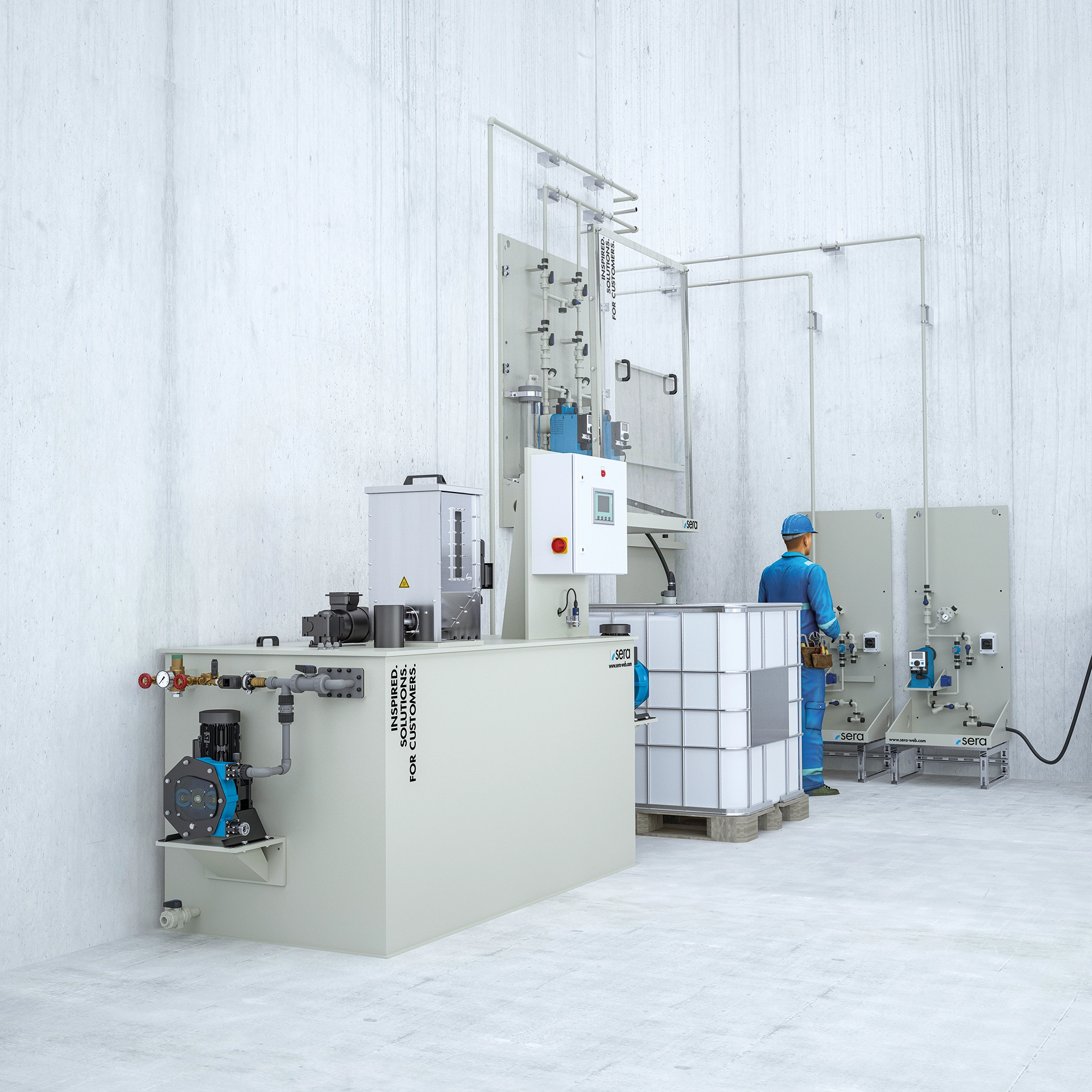
Even power stations with low wastewater volumes generate process wastewater that must be treated appropriately before being discharged back into the environment. In particular, the concentrated cooling water that is regularly discharged often needs to be neutralised with soda to regulate its pH level and composition.
Further wastewater is generated, for example, during flue gas cleaning, condensate treatment or residue dewatering. Here, precise dosing of precipitants, neutralising agents or flocculants is essential – a task for sera’s precise technology.
sera offers complete dosing systems, preparation and dosing units for polymers, accessories and high-performance dosing pumps for this purpose. This ensures efficient, legally compliant and cost-effective wastewater treatment – reliably and in a resource-saving manner.
-
Process water treatment
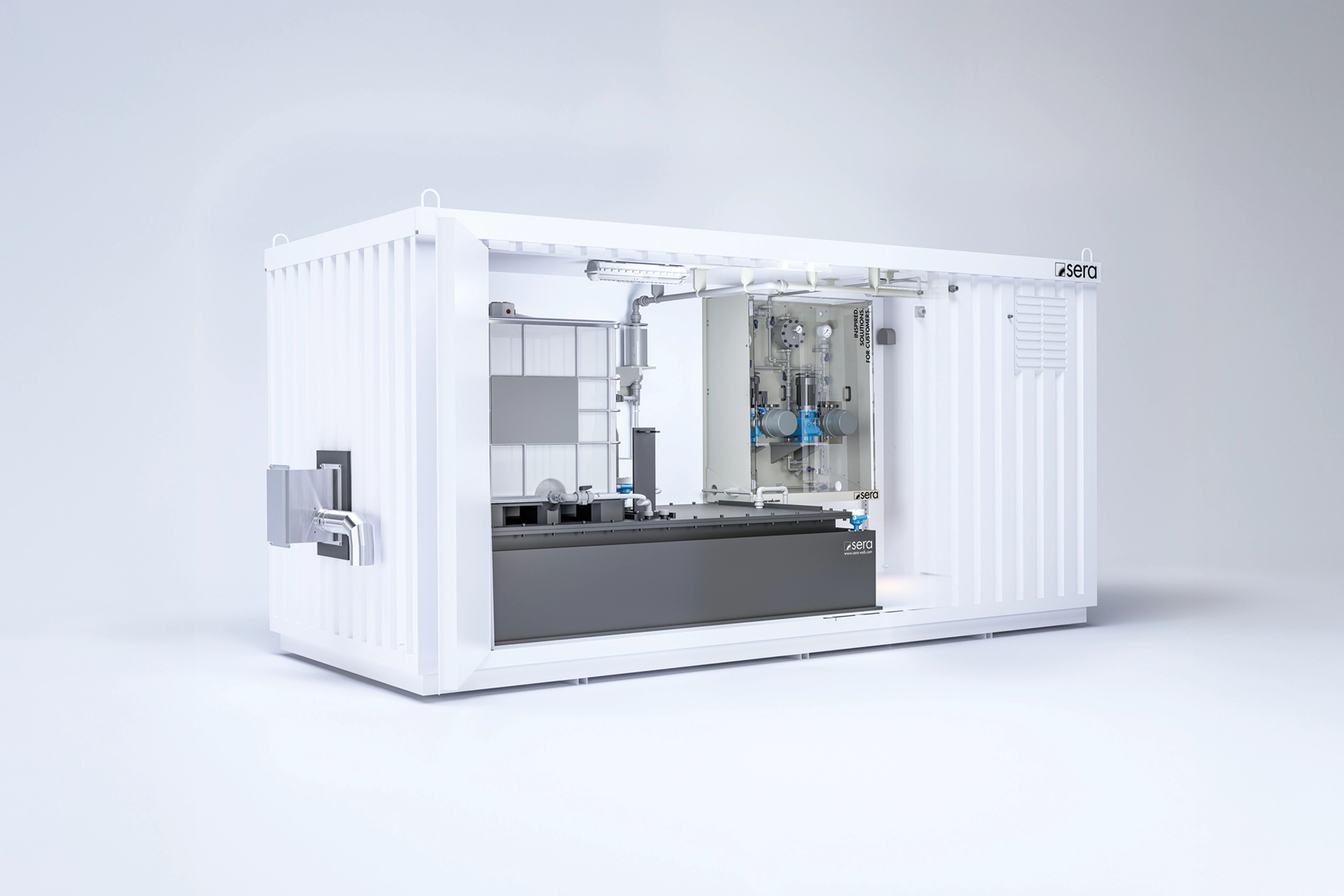
River water is widely used as a source of raw water in waste-to-energy plants and power stations, but it places high and constantly changing demands on the plant’s engineering systems. Suspended solids, organic contaminants, chemical residues and highly fluctuating water qualities place a strain on heat exchangers, pipework and boilers, promote fouling and corrosion, and lead to efficiency losses, higher maintenance costs and, in the worst case, unplanned downtime. At the same time, environmental regulations and requirements for water cycles are constantly increasing. Process water treatment using system solutions from sera ensures targeted, automated and reliable conditioning of the raw water – thereby safeguarding plant equipment, ensuring stable processes, reducing operating costs and enabling the economical, permit-compliant operation of waste-to-energy plants and power stations.
-
Energy supply system: power stations
Self-sufficient energy and heat supply using hydrogen
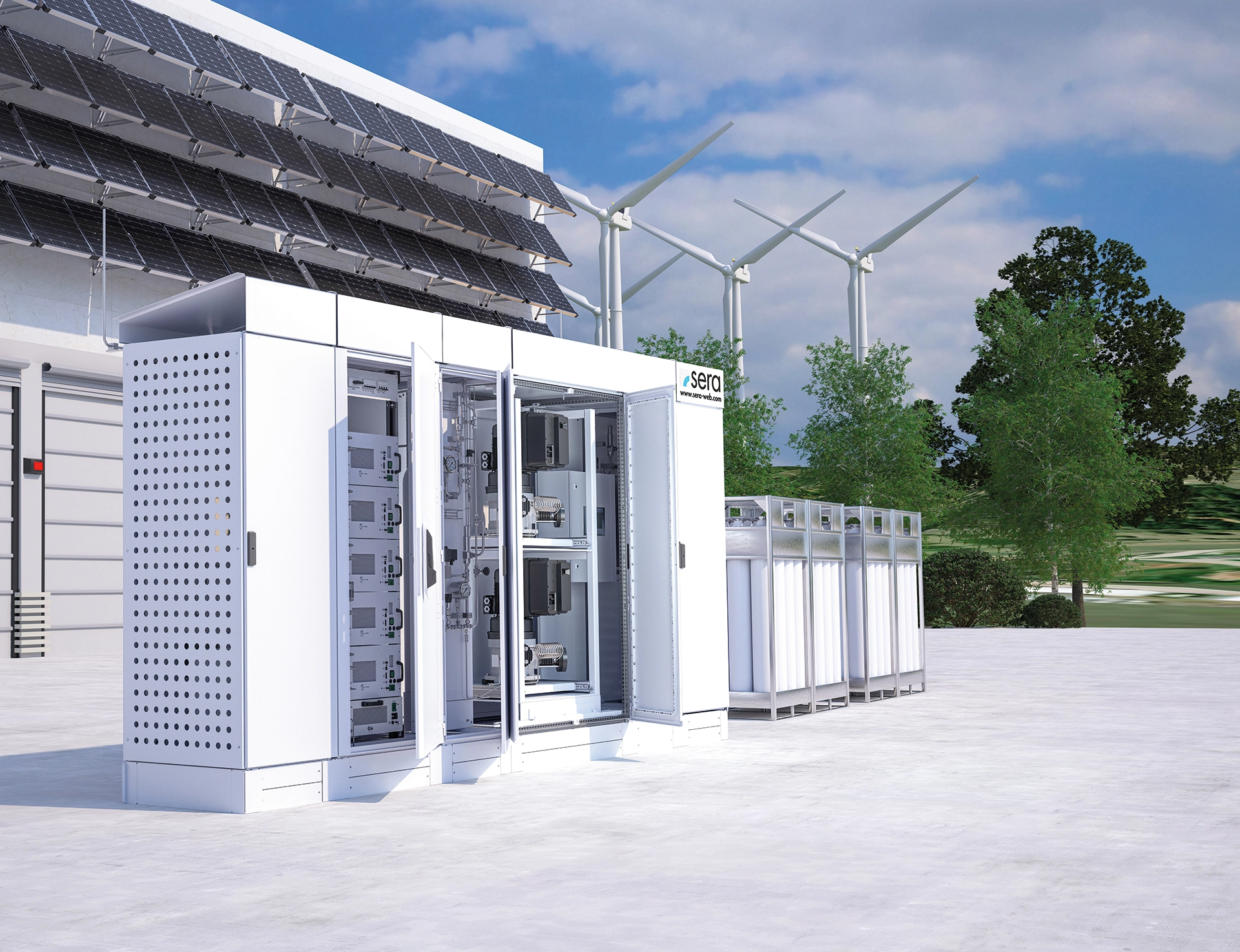
We offer power stations and waste-to-energy plants integrated energy supply solutions designed to make efficient use of surplus renewable electricity. Surplus energy is converted into hydrogen via electrolysis, compressed using the sera piston compressor, and stored.
When required, we use the stored hydrogen for power generation or direct heat production – whenever photovoltaic systems and battery storage are insufficient. In this way, we enable a largely self-sufficient, secure and predictable energy and heat supply whilst simultaneously reducing the use of fossil fuels.
Efficient dosing technology for safe and environmentally friendly power plant processes
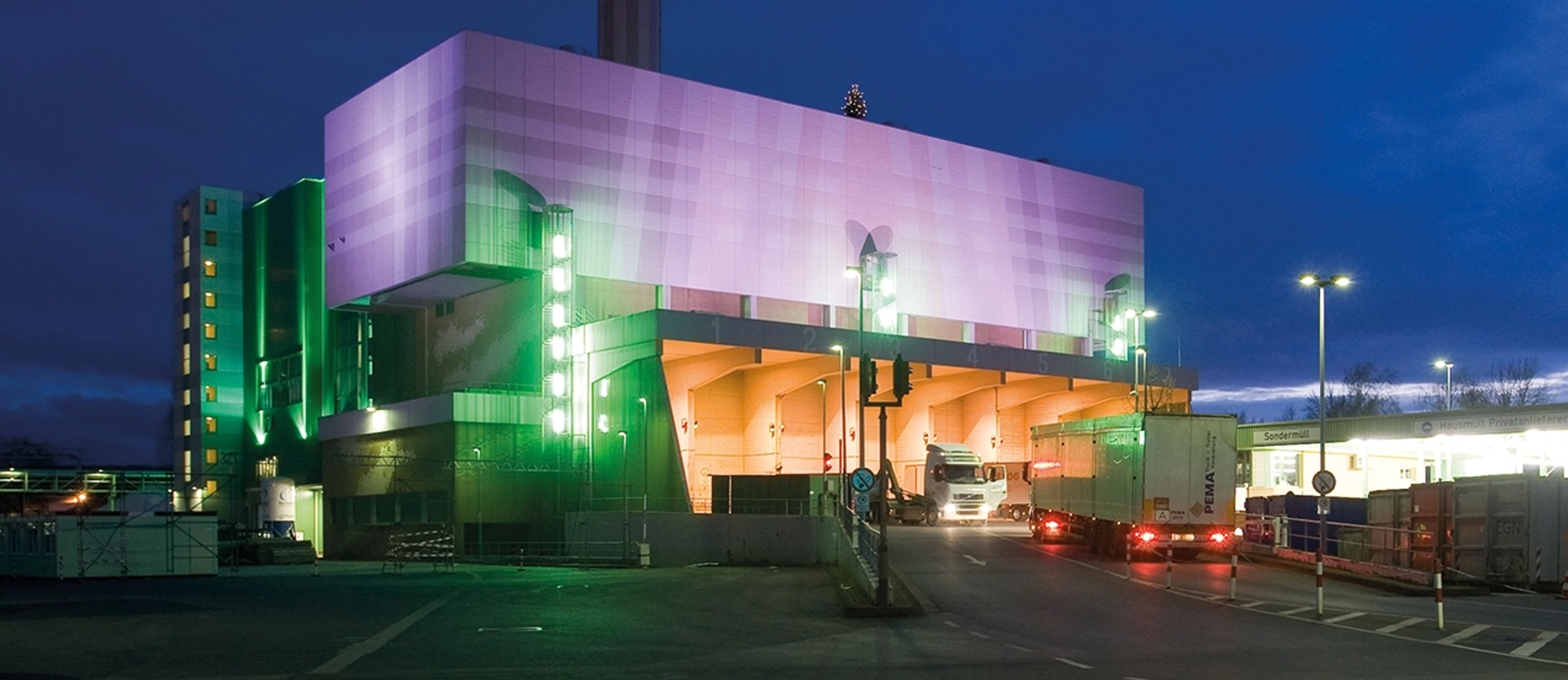
Waste-to-energy plants must be operated safely, efficiently and in an environmentally friendly manner. sera offers dosing technology that is precisely tailored to the requirements of these plants.
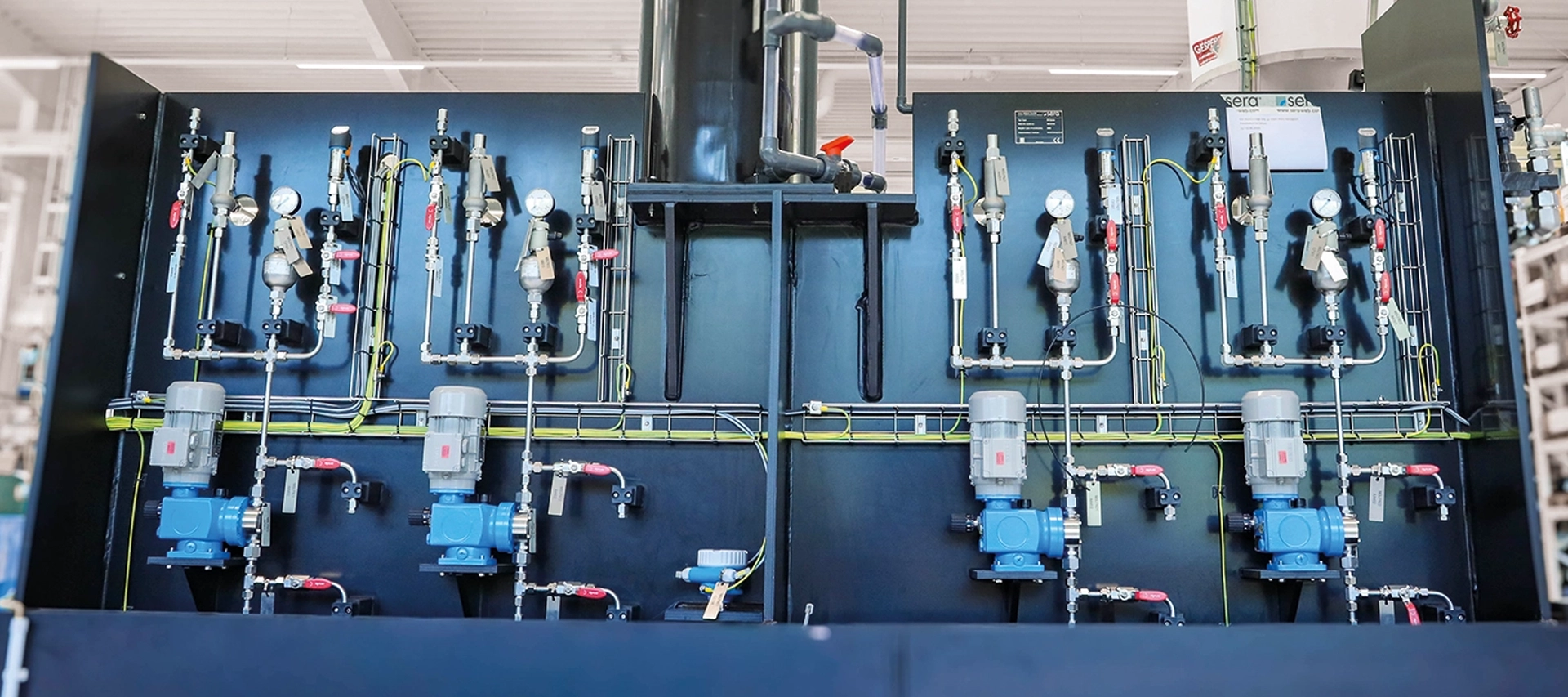
Our portfolio includes dosing and feed pumps, standardised systems and customised system solutions. Typical applications include boiler and feed water treatment, the treatment of cooling water circuits and flue gas cleaning, for example by dosing lime, sodium bicarbonate, activated carbon or ammonia.
All systems ensure stable processes, protect the plant technology and help to reduce emissions and lower operating costs. For decades, sera solutions have been a proven component of energy and waste management.
Our brochure provides an overview of the possible applications and suitable solutions - discover it now: to the brochure

Nachricht erfolgreich gesendet!
Wir werden uns in Kürze bei Ihnen melden.
Ups! Etwas ist schief gelaufen.
Leider ist ein Fehler aufgetaucht. Lade die Seite neu und probiere es noch ein mal.