
Effective reduction of phosphorus through the targeted addition of precipitants
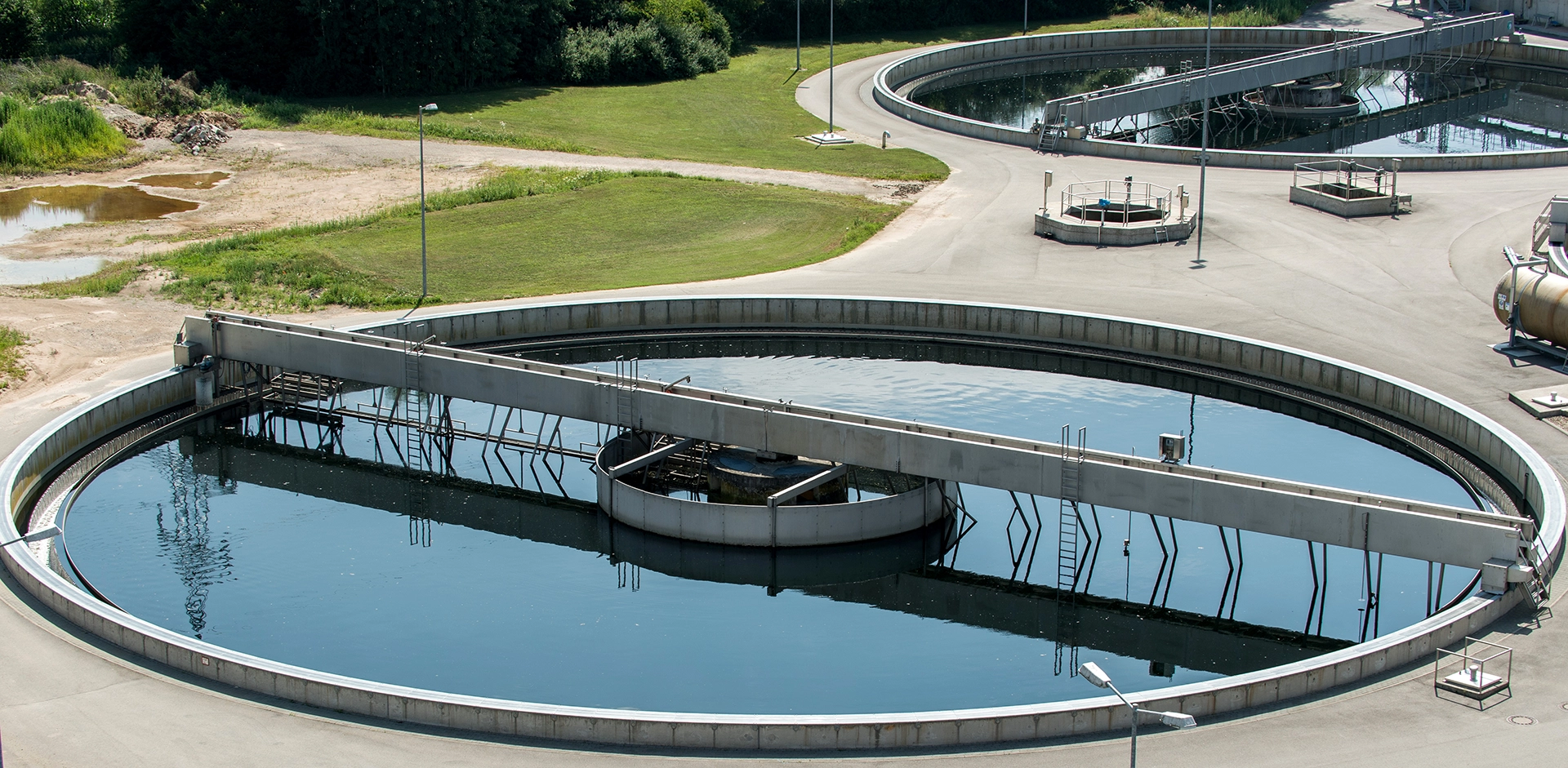
Phosphorus compounds in wastewater promote algae growth and lead to over-fertilisation (eutrophication) of water bodies. Even small inputs can significantly disrupt the ecological balance, as other nutrients are usually available in sufficient quantities. To protect water quality, the European Water Framework Directive (WFD), the Water Resources Act (WHG) and the Wastewater Ordinance define clear limits for phosphate inputs. Operators are therefore obliged to ensure effective phosphorus elimination and maintain stable discharge values. The targeted addition of precipitants is crucial to reliably fulfil these requirements.
Challenges in phosphate precipitation
- Unstable effluent values and increased risk of limit values being exceeded.
- Imprecise dosing with a negative impact on precipitation performance.
- Increased chemical consumption and rising operating costs.
- Increase in sludge quantities due to overdosing.
- Increased monitoring and control effort during operation.
The solution from sera
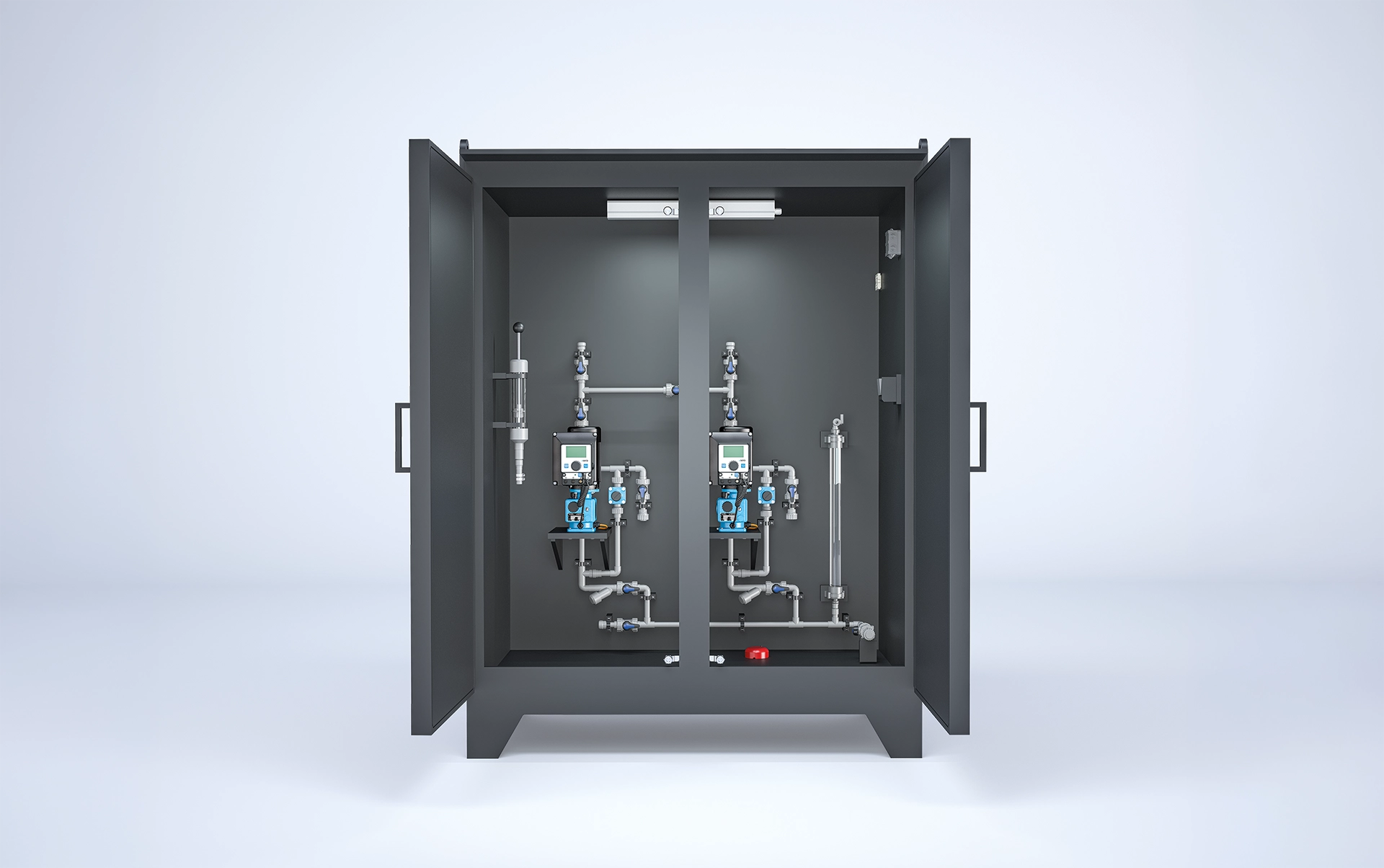
- Modular design: Freely configurable dosing systems for different requirements and areas of application.
- Reliable use: Robust design for indoor and outdoor areas - designed for stable continuous operation.
- Everything from a single source: System and control technology, pipework construction and installation including refuelling.
- Safe design: AwSV-compliant design with optional monitoring for maximum operational and system safety.
- High-quality materials: PVC-U or PP pipework - matched to the medium and environment.
Precise precipitant dosing from sera guarantees reliable phosphorus elimination, effectively protects water bodies from eutrophication and ensures stable, legally compliant discharge values - efficiently, safely and sustainably.